
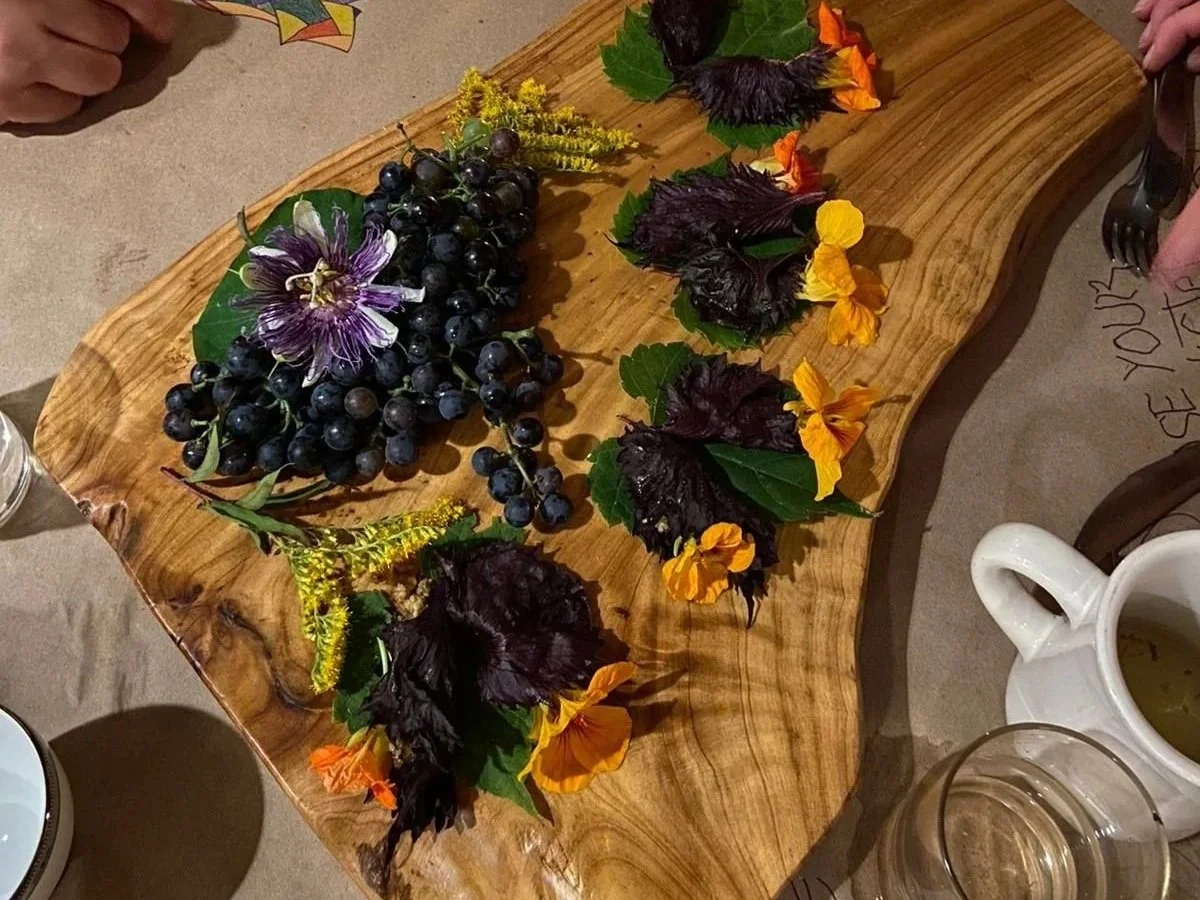
Rewild at the Kitchen Altar
Rewild at the Kitchen Altar
A doorway to the collective
In a culture that has taught many of us to separate value from care, body from spirit, and wealth from the living world, these gatherings offer another way of being: slower, more rooted, more relational, and more fully alive
Through shared preparation, foraging awareness, and ceremonial meals, participants reopen their receiving channels and experience economy not as transaction—but as nourishment, rhythm, and relationship.
KinKitchen Taste of Eros
-
You’ve had a health awakening and want more spirit in your daily food routine
You’re want more practical ways to explore the relational economy
You are curious about your ancestral food stories and inherited biome
You like to host dining experiences for your friends
-
KinKitchen set as an altar and relational space
Guided receiving practices using food, scent, and touch
Foraging awareness and land-based attunement
Shared preparation and ceremonial meal
Reflection on food as tone: industrial vs relational nourishment
-
Participants leave with:
A lived experience of relational abundance
Renewed trust in receiving and being fed—by land and by others
Practical practices to carry into home and community life
A vision that we will seed:
Networks of kinship pantries and kitchens
The backbone infrastructure of a future Kinship Economy in vital places
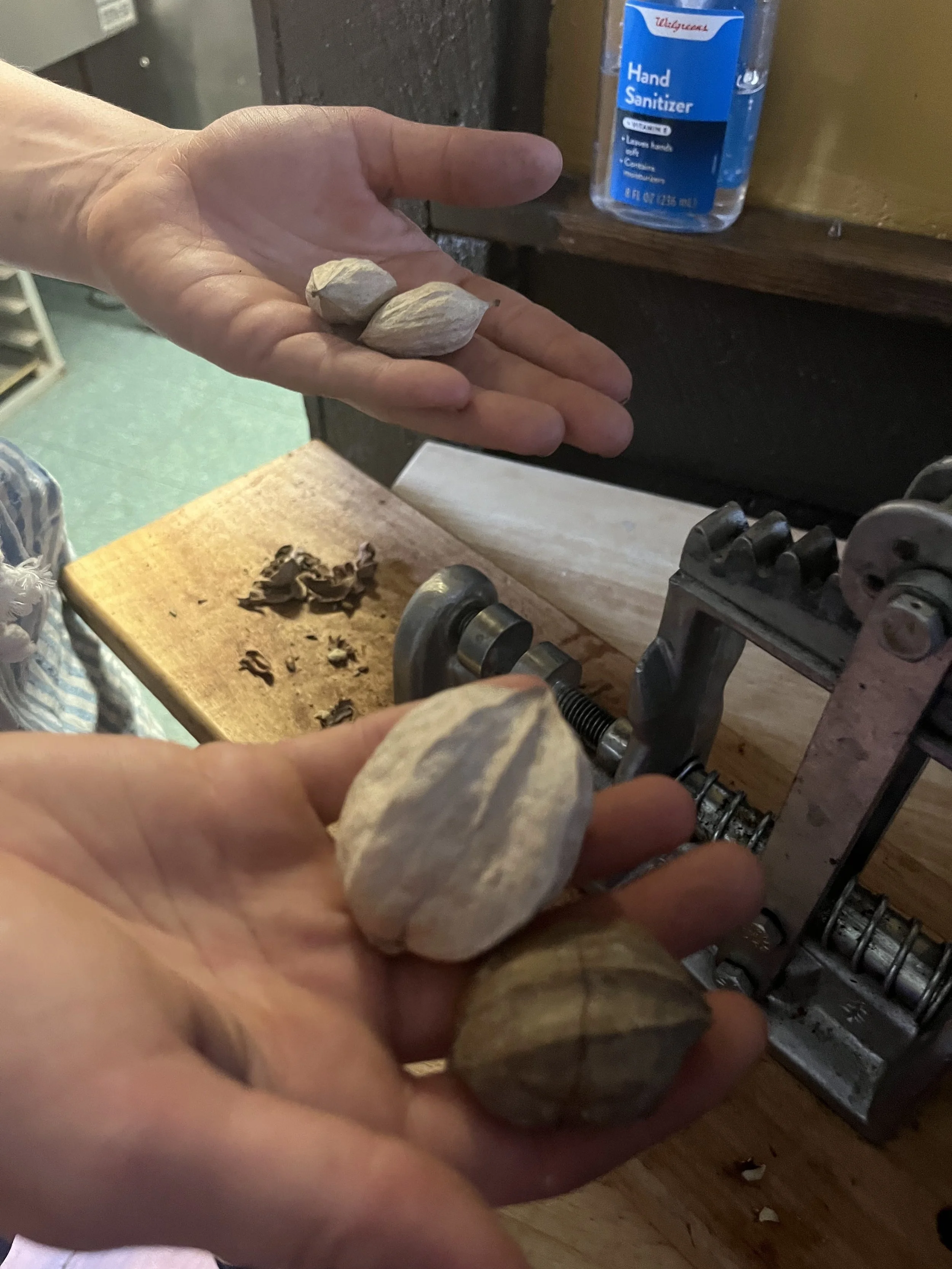
Recover the ancestral body
Our bellies are not empty chambers—they are gardens. The inhabitants of these complex, relational biomes co-create our physical form, moods, perceptions and emotional processes.
Through attentive relating with these beings, KinKitchen accesses the wisdom of the collective and our lineages .
From the Kitchen Altar to the Table of Becoming
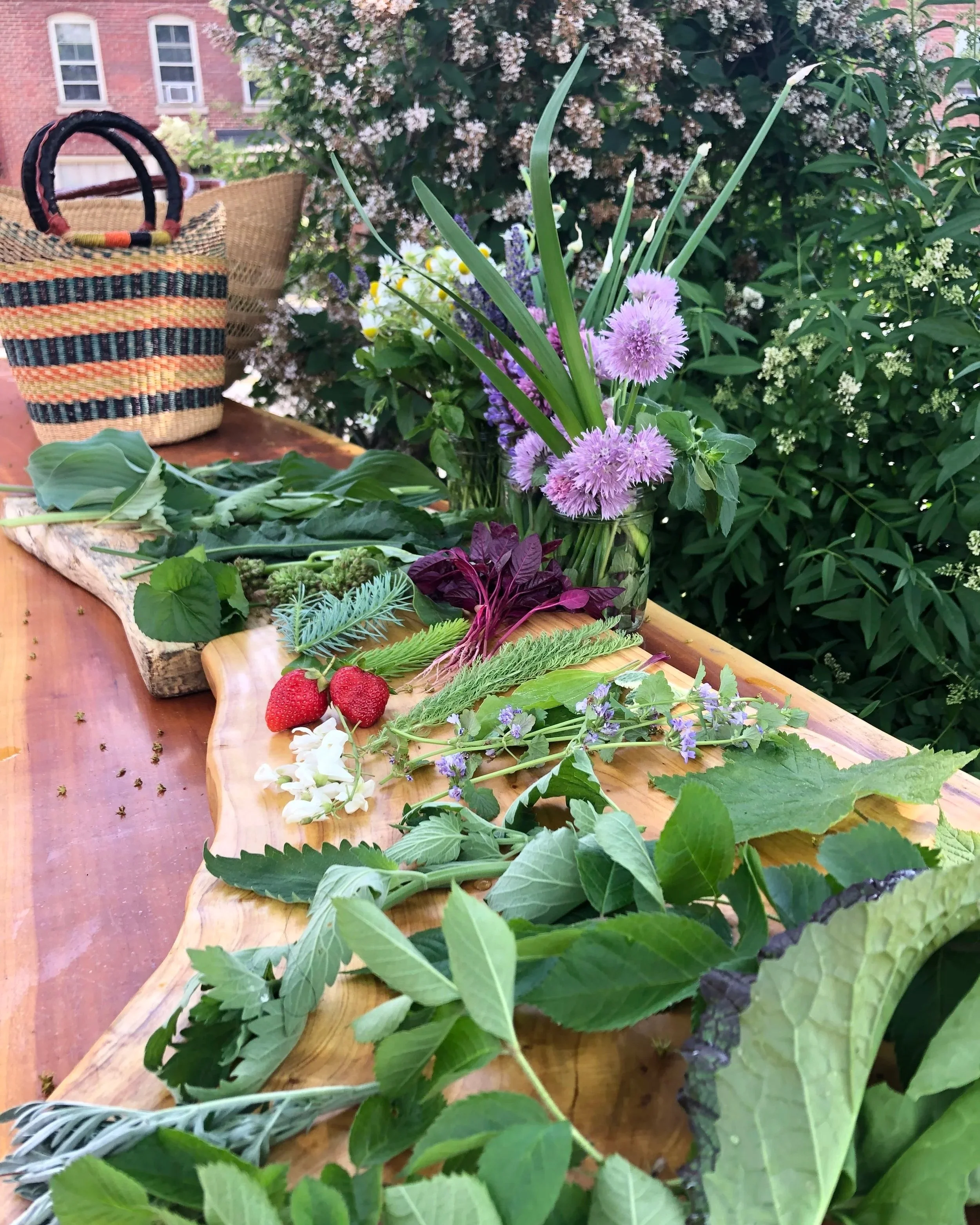
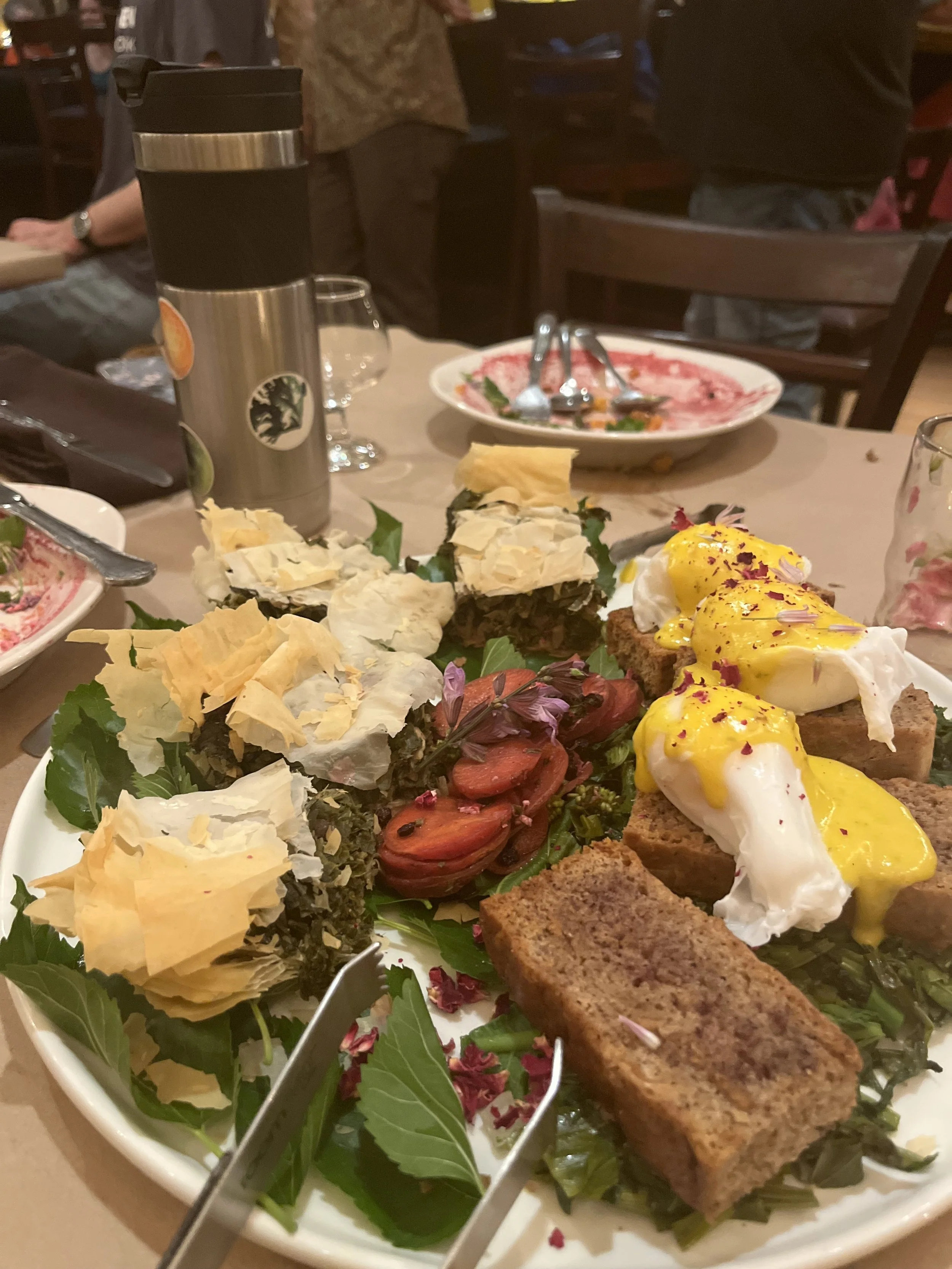
For most of human history, our ancestors thrived by living in deep relationship with land and life—sleeping, eating, and breathing in rhythm with sun, weather, and the many beings of a place.
We were not separate from the land; we belonged to it, and it belonged to us.
The more relationships we tended—with people, plants, animals, and place—the more resilient we became in the face of uncertainty and change.